
Mental Health Support:9 Powerful & Positive Signs You Should Seek Help
Mental health support plays a vital role in maintaining emotional balance and overall well-being. Yet many people hesitate to seek help, often believing their struggles are temporary or not serious enough.
In reality, recognizing the early signs of emotional distress can make a huge difference. Professional mental health support services provide guidance, tools, and strategies that help individuals manage stress, anxiety, and other psychological challenges.
If you’ve been feeling overwhelmed, emotionally drained, or mentally exhausted, it might be time to consider mental health help. Understanding the warning signs can empower you to take the first step toward healing and a healthier life.
What Is Childhood Trauma?
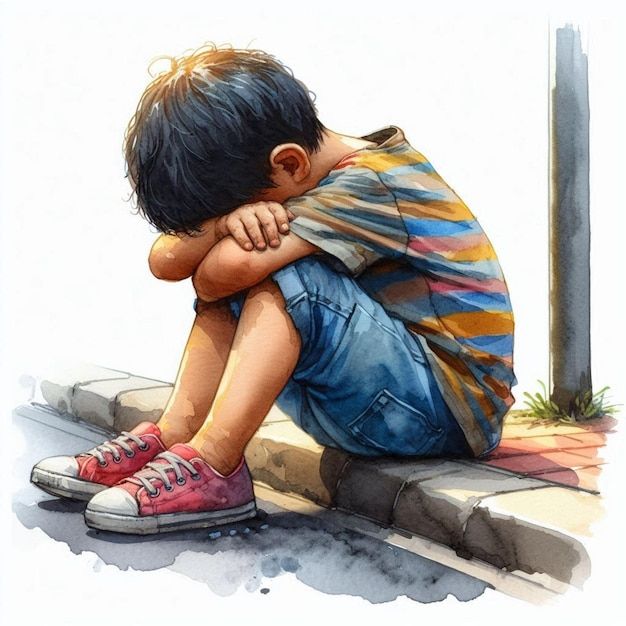
Childhood trauma refers to distressing or overwhelming experiences during early developmental years. These experiences can disrupt a child’s sense of safety and stability.
Common causes include:
1)Physical or emotional abuse
2)Neglect
3)Domestic violence
4)Parental substance abuse
5)Loss of a caregiver
6)Bullying
Not all trauma looks dramatic. Emotional childhood trauma , such as constant criticism or lack of affection can be equally damaging.
Common Childhood Trauma Symptoms in Adults
Many people don’t immediately connect adult struggles with early trauma. Here are common childhood trauma symptoms in adults:
1)Chronic anxiety
2)Low self-esteem
3)Trust issues
4)Emotional numbness
5)Fear of abandonment
6)Difficulty managing anger
7)Depression
8)Self-sabotaging behaviors
These symptoms often appear in subtle ways, such as avoiding intimacy or overworking to feel worthy.
Emotional Childhood Trauma and Adult Relationships
One of the strongest effects of childhood trauma appears in relationships.
Adults with unresolved trauma may:
1)Attract toxic partners
2)Struggle with boundaries
3)Fear vulnerability
4)Become overly dependent
5)Push people away
This happens because childhood experiences shape attachment styles. If love once felt unsafe, adulthood relationships may feel threatening too. However, understanding this pattern is a powerful first step toward change.
Long-Term Effects of Childhood Trauma
The long-term impact of childhood trauma in adults goes beyond emotions.
Mental Health Risks
1)Depression
2)Anxiety disorders
3)Post-traumatic stress
4)disorder (PTSD)
5)Substance abuse
Physical Health Risks
Studies show trauma increases risks of:
1)Heart disease
2)Diabetes
3)Chronic pain
4)Sleep disorders
The body keeps score. Emotional pain often translates into physical stress responses over time.

Can You Heal from Childhood Trauma?
Absolutely. Healing from childhood trauma is not only possible, it is empowering. Neuroplasticity allows the brain to form new, healthier pathways. With the right tools and support, emotional wounds can gradually transform into resilience. Healing doesn’t erase the past. Instead, it reduces its control over your present.
7 Proven Strategies for Healing from Childhood Trauma
1. Therapy and Professional Support
Trauma-informed therapy can safely unpack past experiences. Modalities like CBT, EMDR, and somatic therapy are especially effective.
2. Building Self-Awareness
Journaling helps identify triggers and emotional patterns. Awareness reduces automatic reactions.
3. Practicing Emotional Regulation
Breathing exercises, meditation, and grounding techniques calm the nervous system.
4. Setting Healthy Boundaries
Boundaries rebuild a sense of safety and control.
5. Reframing Negative Beliefs
Trauma often creates false beliefs like “I am not enough.” Challenging these beliefs is transformative.
6. Developing Supportive Relationships
Safe, emotionally healthy relationships promote deep healing.
7. Prioritizing Self-Compassion
Healing requires patience. Speak to yourself kindly.
When Should You Seek Professional Help?
If symptoms interfere with daily life, relationships, or work, professional support is essential.
Warning signs include:
-
Persistent depression
-
Flashbacks or intrusive memories
-
Self-harm thoughts
-
Substance dependency
Early intervention dramatically improves long-term outcomes.
If you’re exploring more on mental wellness, you may also find our guide on Mental Health and Wellness: Addressing Common Issues in Men helpful.
The Hopeful Truth About Childhood Trauma
While childhood trauma can shape adult mental health in profound ways, it does not define your future.
Many people who confront their trauma develop exceptional emotional intelligence, empathy, and resilience.
Pain can become power.
Healing is not linear. But every small step forward builds a healthier, stronger version of you.

Understanding childhood trauma is the beginning of transformation. If you recognize these patterns in your life, don’t ignore them. Seek support, educate yourself, and commit to healing. Your past may explain your struggles but it does not control your destiny. Start today. Your future self will thank you.